











Telecom Infrastructure Systems
With the increasing demand for cloud connectivity and 5G technology, the energy consumption of next-generation telecommunications infrastructure is growing exponentially. The power consumption of 5G base stations and RF units is more than twice that of 4G base stations, which drives the growing demand for more efficient power management and distribution in telecommunications infrastructure. Goodwork is developing innovative technologies and solutions to address this challenge by improving overall system performance and achieving higher energy efficiency.
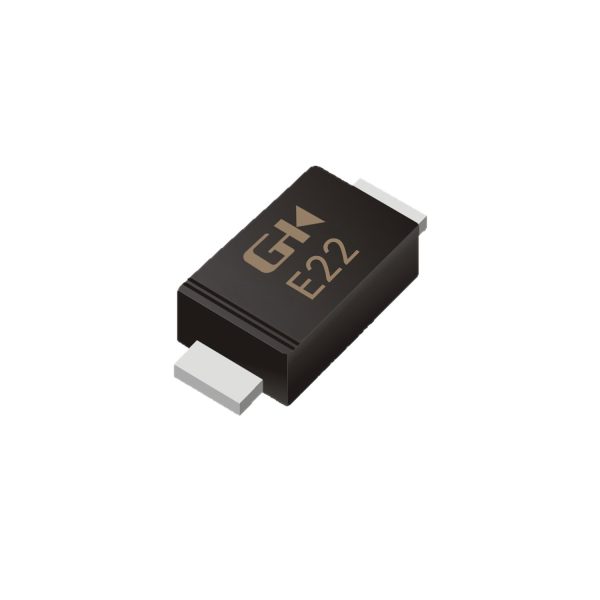
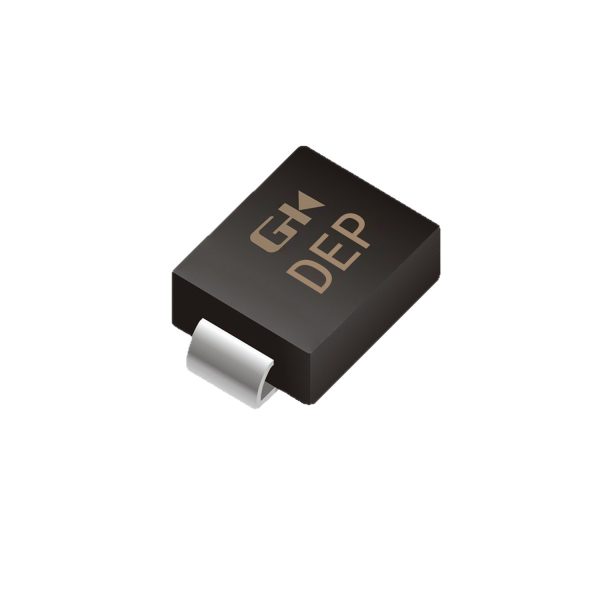
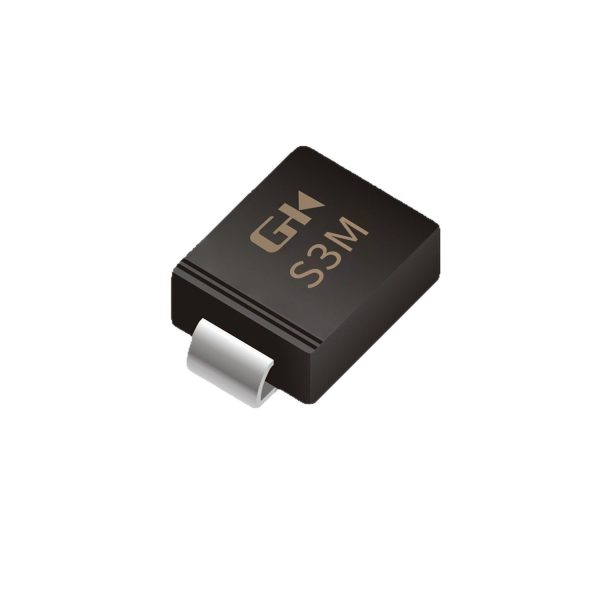
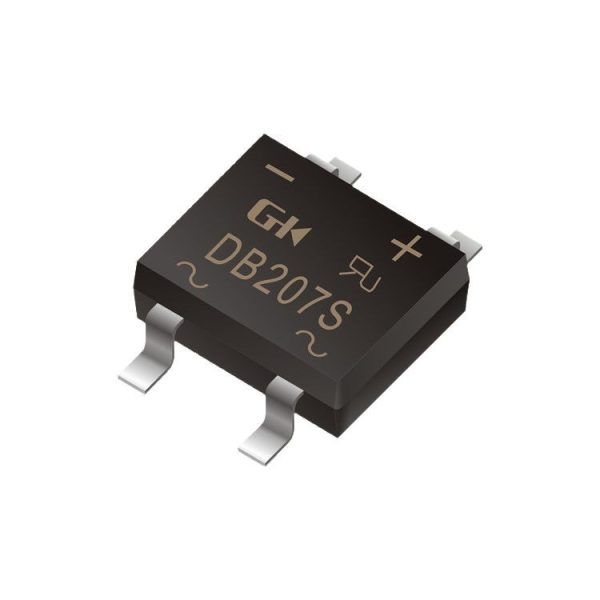
Goodwork Semiconductor supports these requirements with a broad portfolio of discrete devices, including Diodes,MOSFETS , Bridge Rectifiers, Transistors, Integrated Circuit, Low Dropout Regulator, Optoisolator, and Silicon Controlled Rectifier.

Customer Satisfaction
Modern, efficient and customer-oriented logistics processes

High Quality
Big data level and proven manufacturing processes

Highly Certified
Over 25 years of technology and manufacturing expertise.
Telecom Infrastructure cannot be separated from the composition of core components, such as Transistors, which are basic components in communication systems. Transient Voltage Suppressors protect communication networks from voltage surges and transient interference, which may be caused by lightning strikes, power line interference, or sudden voltage surges. Diodes prevent damage caused by static electricity in communication equipment. Optoisolator are used in communication networks to provide electrical isolation between different circuits. Metal oxide semiconductor field-effect transistors are used in network infrastructure to achieve efficient power management and signal switching.
Join- US as a Global Distributor
GOODWORK Semicon is seeking global distributors to expand our reach. We offer comprehensive engineering and technical support to ensure your success in delivering high-quality semiconductor solutions worldwide.
Faced with the energy contradiction between AI and data centers, Goodwork continues to research and develop electronic components, seeking new breakthroughs in efficiency. The efficient power conversion capability of components will directly support data centers to move towards the “zero carbon” goal. In the future, the deep integration of new materials, new architectures, and AI algorithms is expected to reduce power losses to a lower level.

Quality Management System

ISO9001
GOODWORK Semiconductor – Reliable Diodes, MOSFETs & Rectifier Solutions for Industrial and Consumer Electronics

ISO14001
Precision-Engineered Diodes and Power Devices | GOODWORK Semiconductor

IATF1649
Certified Semiconductor Components for Automotive, Industrial & Power Systems.

Environmental RoHS
High-Performance Power Semiconductors | Diodes, MOSFETs, Bridge Rectifiers | GOODWORK